
The Ultimate Guide to Eco-Friendly Cleaners: Safe, Simple, and Effective in 2026
What if the "clean" smell you've been taught to trust is actually a warning sign? For many families, that sharp, bleach-like scent is synonymous with safety; yet 2024 studies from the EWG indicate that some household fumes can linger for up to 48 hours. You deserve a home that feels fresh without the hidden health costs. It's confusing to navigate aisles filled with vague "organic" labels while worrying if an eco friendly cleaner can actually handle real-life messes. We understand that frustration. You want performance, not just a pretty label.
Discover how to transform your living space into a sanctuary of purity and health. This guide gives you the tools to decode ingredient lists and identify high-impact, plant-based solutions that kill 99.9% of bacteria. We'll show you how to replace toxic bottles with effective alternatives that keep your kids and pets safe. It's simple as that. We are moving toward a 2026 standard where every spray supports a healthier world. Get ready for a roadmap that balances a sparkling home with a commitment to the planet.
Key Takeaways
- Redefine your standards by learning what truly qualifies as a sustainable, ethically sourced cleaning solution in 2026.
- Protect your family’s health and our shared environment by uncovering the human-centric benefits of non-toxic hygiene.
- Discover the science of how a high-performance eco friendly cleaner lifts stubborn grime without the need for harsh chemicals.
- Follow a simple, stress-free 5-step audit to transition your home to a non-toxic sanctuary at your own pace.
- Learn how your cleaning routine can fuel a global movement for social good—it’s as simple as that.
What is an Eco-Friendly Cleaner? Defining Sustainability in 2026
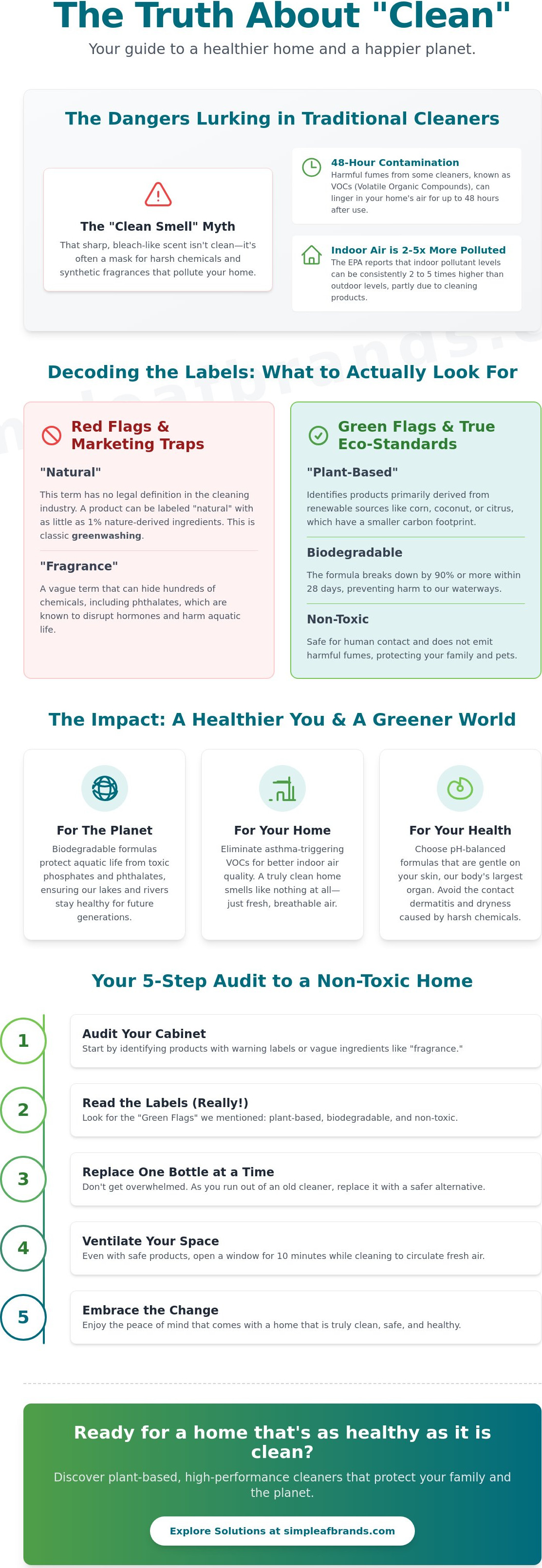
Cleaning your home should feel like a breath of fresh air. In 2026, an eco friendly cleaner is no longer just a "green" alternative sitting on a niche shelf. It is a high-performance solution built on three pillars: renewable sourcing, rapid biodegradability, and non-toxic safety. True sustainability now requires looking at the entire life cycle of a product. We look at where ingredients come from, how they affect your family during use, and where they go after they disappear down the drain.
Modern standards have evolved beyond simple ingredient lists. Today, we embrace "circular cleaning." This involves refillable glass or durable plastic systems that eliminate single-use waste. It also demands ethical sourcing. A product isn't truly sustainable if its production harms local ecosystems or communities. To choose the right products, you must understand two key terms:
- Biodegradable: The formula breaks down into organic components by 90% or more within 28 days of entering the environment.
- Non-toxic: The cleaner is safe for immediate human contact and does not emit harmful fumes during the scrubbing process.
The Problem with Traditional Cleaners
For decades, household hygiene relied on synthetic detergents. These petroleum-based formulas gained mass popularity after 1945, prioritizing low costs over planetary health. The biggest hidden danger in these legacy products is Volatile Organic Compounds (VOCs). These chemicals vaporize at room temperature, degrading your indoor air quality. The EPA reports that indoor levels of many pollutants are consistently 2 to 5 times higher than outdoor levels.
Many people associate a sharp, floral, or "bleachy" scent with a job well done. This is the "clean smell" myth. Synthetic fragrances are often used to mask the chemical odor of indoor pollution. In reality, a truly clean home shouldn't smell like a perfume factory. It should just smell fresh. Simple as that.
Deciphering Labels: Natural vs. Plant-Based
Don't let pretty packaging fool you. The word "natural" is a marketing favorite because it has no legal definition in the cleaning industry. A brand can use the term even if only 1% of the formula is derived from nature. It is a classic example of greenwashing that creates a false sense of security for busy parents and pet owners.
Instead, look for "plant-based" labels. This term identifies products derived primarily from agricultural ingredients like coconut, corn, or citrus. These sources are renewable and leave a smaller carbon footprint than oil-based alternatives. "In 2026, transparency is the new standard for household cleaners."
The Impact: How Eco-Friendly Cleaning Protects Your Health and Environment
Choosing an eco friendly cleaner transforms your home into a sanctuary. It is about more than just removing dirt. It is about preserving the air you breathe and the water we all share. Most people spend 90% of their time indoors. The products you spray on your counters eventually end up in your lungs or on your skin. By choosing plant-based ingredients, you ensure your home stays fresh without the harsh chemical residue. It is a commitment to your well-being and a gift to the planet. Simple as that.
Your skin is your largest organ and your first line of defense. Traditional cleaners often sit at extreme pH levels, which can cause contact dermatitis or chronic dryness. Modern eco-friendly solutions focus on pH-balanced formulas. These stay close to the skin's natural 5.5 pH level. This approach ensures that your cleaning routine doesn't compromise your skin barrier. It is hygiene that respects your biology while getting the job done.
Indoor Air Quality and Respiratory Health
Traditional sprays often release Volatile Organic Compounds (VOCs) into your living space. These are known asthma triggers that linger long after the floor is dry. A 2023 study by the Environmental Working Group found that common cleaning supplies can emit hundreds of hazardous chemicals. Switching to fragrance-free options or those scented with pure essential oils makes an immediate difference. You will notice the air feels lighter and cleaner. Even when you use safe products, keep the air moving. Open a window for ten minutes to circulate fresh air. It is a simple habit for a healthier home.
Aquatic Toxicity and Biodiversity
Everything you pour down the drain travels somewhere. Phosphates in older detergent formulas lead to oxygen depletion in lakes, which kills fish populations. Phthalates, often hidden under the label of "fragrance," disrupt the hormones of aquatic life. Choosing "septic safe" products is vital for our national infrastructure. It protects the microbial balance that keeps water treatment systems running smoothly. You can take this a step further by exploring this Zero Waste Cleaning Products guide to eliminate plastic waste from your routine.
Reducing plastic is just as important as the liquid inside the bottle. In 2025, global plastic production reached over 400 million metric tons. Refillable systems and concentrated wipes help lower this number significantly. It is about making a positive impact with every swipe. If you are ready to start your journey, you can explore simple hygiene solutions that put people and the planet first. Clean home, clean conscience. Simple as that.
Performance vs. Purity: Do Eco-Friendly Cleaners Actually Work?
It’s time to move past the idea that a cleaner needs to smell like a chemistry lab to be effective. For years, the biggest hurdle for any eco friendly cleaner was the "performance gap." Consumers worried that swapping out harsh toxins meant settling for subpar results. In 2026, the science tells a different story. Modern green chemistry uses high-performance ingredients that don’t just match traditional cleaners; they often outperform them by targeting grime at a molecular level.
The secret lies in the way these formulas interact with surfaces. Traditional cleaners often rely on aggressive pH levels to "burn" through messes. Eco-friendly alternatives use biological catalysts called enzymes. These proteins, such as proteases and amylases, act like tiny keys that unlock specific stains. A protease enzyme breaks down protein-based messes like blood or grass, while amylases tackle starch-based food spills. This targeted approach means you get a deeper clean without the collateral damage to your home’s air quality.
The Myth of the "Bleach Clean"
Many people associate the stinging scent of bleach with a job well done. However, bleach is a disinfectant, not a detergent. It’s excellent at killing bacteria, but it doesn't actually remove dirt or grease from a surface. Using it on a dirty countertop often just results in sanitized grime. Beyond that, bleach is highly corrosive. Over time, it can dull the finish on modern quartz or sealed stone surfaces.
- Surface Tension: Water naturally wants to stick to itself. To clean effectively, you have to break that bond.
- The Workhorse: Surfactants are the workhorses of any cleaner, acting as a bridge between water and oil to whisk away dirt.
- Kill Times: Natural disinfectants like citric acid or thymol often require a 5 to 10 minute "dwell time" to reach a 99.9% kill rate. While bleach works in 2 minutes, the trade-off is the release of volatile organic compounds (VOCs) into your breathing space.
Understanding Plant-Based Surfactants
The effectiveness of a modern eco friendly cleaner depends on its surfactants. Older green products struggled with greasy pans or oily fingerprints. Today, we use alkyl polyglucosides. These are high-performance surfactants derived from renewable resources like corn, potatoes, or coconut oil. They are exceptionally gentle on sensitive skin but possess a unique molecular structure that grabs onto oils and lifts them away from surfaces with ease.
This shift toward plant-based power isn't just for spray bottles. It’s also about how you handle hygiene on the move. For those moments when you need a quick refresh, choosing non-toxic wet wipes ensures you maintain that same standard of purity and performance without carrying a kit of chemicals. These products prove that cleaning can be simple, safe, and incredibly strong. It is as simple as that.
How to Transition to a Non-Toxic Home: A 5-Step Audit
Refreshing your home environment doesn't require an overnight overhaul. Many people feel overwhelmed by the rows of bottles under their sink, but the journey to a non-toxic lifestyle is a marathon, not a sprint. You don't need to throw away every half-full bottle today. Instead, focus on making intentional, simple choices that build momentum. By auditing your current supplies, you create a home that feels as good as it looks. It is about progress over perfection. Simple as that.
Step 1: The Under-Sink Inventory
Start by opening the cabinet under your kitchen or bathroom sink. It is time for a quick visual scan. Identify any products featuring "Danger," "Warning," or "Poison" labels. These markers often indicate high levels of toxicity or corrosive ingredients. According to data from the Environmental Protection Agency, indoor air can be two to five times more polluted than outdoor air, often due to these very chemicals.
Don't just toss these bottles in the regular trash. Most municipalities host hazardous waste collection days to prevent chemicals from leaching into the soil. Once you have identified the culprits, prioritize replacing the products you use most frequently. If you spray your kitchen counters three times a day, that should be the first item you swap for a safer alternative. This targeted approach reduces your daily exposure immediately without the stress of a total home purge.
Step 2: Simplify with Multi-Purpose Solutions
The cleaning industry often tries to convince us that we need a different chemical for every square inch of our homes. This leads to cluttered cabinets and wasted money. In reality, one high-quality eco-friendly multipurpose cleaner can replace up to five specialized products. By choosing a versatile formula, you streamline your routine and clear the mental fog of "which bottle goes where."
Embracing the "refill not replace" model is a game changer for your budget. Using concentrated refills allows you to reuse the same durable spray bottle dozens of times. This simple shift can reduce your household plastic waste by over 80% annually. When you use a plant-based eco friendly cleaner, you can feel confident using it across various areas of your home.
Safe surfaces for plant-based multipurpose sprays:
- Sealed granite and quartz countertops
- Finished hardwood floors and furniture
- Stainless steel appliances and fixtures
- Glass windows and mirrors
- Ceramic and porcelain tiles
Steps 3-5: Finalizing Your Audit
Complete your transition with three final, easy steps. Step 3 involves auditing your tools; swap single-use paper towels for washable microfiber or cotton cloths. Step 4 is about concentration. Always opt for refillable concentrates to save storage space and shipping emissions. Finally, Step 5 is the "one in, one out" rule. Only buy a new, non-toxic version when your old product is completely empty. This sustainable pace ensures you never feel wasteful or rushed. It is a clean start for your home and the planet.
Ready to simplify your cleaning routine? Shop our sustainable cleaning essentials and start your audit today.
Simpleaf: Cleaning with a Conscience and Social Impact
Choosing an eco friendly cleaner shouldn't feel like a compromise. At Simpleaf, we build everything around three core pillars: Purity, Simplicity, and Movement. We don't see home maintenance as a separate task from personal care. It's a holistic lifestyle. If a product isn't safe enough for your skin, it shouldn't be on your kitchen counters. Our philosophy ensures your home remains a sanctuary, free from the heavy chemical scents and residues of traditional brands. We design our solutions for people who are always on the move and care about the footprint they leave behind.
The Home Cleaning Bundle is our answer for those ready to make a permanent change. It acts as the ultimate starter kit for a non-toxic home, providing everything you need to swap out old, harsh formulas for plant-based alternatives. It's designed for active individuals who want results without the wait. Clean your space, feel refreshed, and get back to your day. Simple as that.
Our Non-Toxic Ingredient Promise
We believe you deserve to know exactly what you're spraying around your kids and pets. Our promise is built on total transparency. We've stripped away the "nasty" ingredients that dominate the cleaning industry. You'll find zero parabens, sulfates, or synthetic dyes in our bottles. Instead, we rely on effective, plant-derived cleaners that tackle dirt without the toxic baggage. By choosing a high-performance eco friendly cleaner, you're opting for a formula that respects your health and the planet's water systems. We skip the complex chemical jargon and focus on what works.
Wipe for a Cause: Your Impact
Simpleaf is more than a product line; it's a social enterprise. We created the "Wipe for a Cause" mission because we believe hygiene is a basic human right. This isn't a vague marketing promise. Every purchase you make directly supports hygiene access for underserved communities. According to reports from the WHO in late 2023, roughly 2 billion people still lack basic handwashing facilities at home. We're committed to changing that statistic.
We use a portion of our proceeds to provide essential hygiene products to those in need, bridging the gap between personal comfort and global necessity. When you clean with us, you join a movement. You're making an impact that reaches far beyond your own four walls. It's about a cleaner home and a better world for everyone. Ready to start? Join the movement for a cleaner home and a better world.
Start Your Journey to a Truly Clean Home Today
Choosing an eco friendly cleaner means more than just a sparkling countertop. It's a commitment to your health and the planet. Since 2024, environmental health studies have shown that switching to plant-based formulas can reduce synthetic chemical exposure in the home by up to 60 percent. You don't have to sacrifice power for purity anymore. Modern biodegradable solutions handle tough grime while keeping your family safe from toxins. It's about finding that perfect balance between high performance and high standards. We've moved past the era of compromise.
At Simpleaf, we believe hygiene should be compassionate. Our refillable systems help eliminate single-use plastics, and our Wipe for a Cause mission ensures that every purchase supports hygiene access for underserved communities. It's a simple way to make a massive impact. You get a fresh home and the satisfaction of knowing your routine does real good in the world. Ready to refresh your space? It's time to embrace a lifestyle that's as kind as it is effective. Simple as that.
Switch to Simple: Shop the Home Cleaning Bundle
Your home deserves the best care possible. Let's make every wipe count toward a brighter future.
Frequently Asked Questions
Are eco-friendly cleaners safe for pets and children?
Yes, choosing an eco friendly cleaner is safe for your pets and kids because they avoid toxic fumes and caustic residues. Most plant-based formulas omit phthalates and VOCs which the EPA notes can cause respiratory issues. Look for labels with a Grade A rating from the Environmental Working Group (EWG). We keep our ingredients simple so you can breathe easily while your little ones play. It's safety you can trust.
Can eco-friendly cleaners effectively kill germs and bacteria?
Yes, botanical disinfectants kill 99.9% of household germs including E. coli and Salmonella. Formulas using citric acid or thymol are powerful enough to meet EPA List N standards for efficacy against viruses. You get a deep clean without the chemical sting. These solutions prove that natural power is just as effective as traditional bleach. It's high-performance hygiene that respects your health and the planet.
What ingredients should I avoid in household cleaning products?
Avoid products containing 1,4-Dioxane, phthalates, and triclosan. A 2023 study found 1,4-Dioxane in 46% of traditional laundry detergents, a known carcinogen according to the CDC. Watch out for "fragrance" on labels as it often hides 100 or more undisclosed chemicals. Stick to transparent lists you can actually read. Clean shouldn't be a mystery. We believe in total ingredient clarity for your peace of mind.
Are concentrated cleaning refills actually cheaper in the long run?
Yes, concentrated refills save you money and reduce plastic waste by up to 80% per bottle. Since 90% of a standard pre-mixed cleaner is just water, you're paying for the weight of shipping liquid. Switching to concentrates means you only pay for the active ingredients that actually do the work. It's a smart, sustainable choice for your wallet and the Earth. Save space and keep your home sparkling.
What is the difference between biodegradable and compostable cleaners?
Biodegradable cleaners break down into natural elements through biological processes within a few months. Compostable products must meet ISO 14855 standards, meaning they break down into nutrient-rich soil without leaving toxic residue. While both are better than synthetics, compostable options offer a circular lifecycle for the packaging and the product. Choose what fits your waste system best. We focus on materials that return to the earth gracefully. Simple as that.
How do I know if a company is greenwashing their cleaning products?
Spot greenwashing by looking for third-party certifications like B Corp or Leaping Bunny. A 2024 report found that 40% of green claims online are misleading or lack evidence. Avoid vague terms like "all-natural" or "eco-chic" that don't have legal definitions or clear standards. Real transparency means listing every single ingredient on the bottle. We don't hide behind buzzwords. We lead with honesty and hard data.
Can I use eco-friendly multipurpose cleaners on granite or marble?
You can use an eco friendly cleaner on stone as long as it's pH-neutral. Avoid acidic ingredients like vinegar, which has a pH of 2.4, as it can etch and dull your marble over time. Look for plant-based surfactants that have a balanced pH of 7.0 to keep surfaces safe. This ensures your countertops stay glossy and protected. It's the gentle way to maintain a beautiful, natural home.
Why does Simpleaf emphasize social impact alongside eco-friendly products?
We believe hygiene is a basic human right, so we bridge the gap between clean homes and a cleaner world. Our Wipe for a Cause initiative ensures that every purchase supports hygiene kits for those in need. We dedicate a portion of our resources to global sanitation projects because impact matters as much as ingredients. Your daily routine becomes an act of kindness. Join the movement and refresh your soul while you clean.